

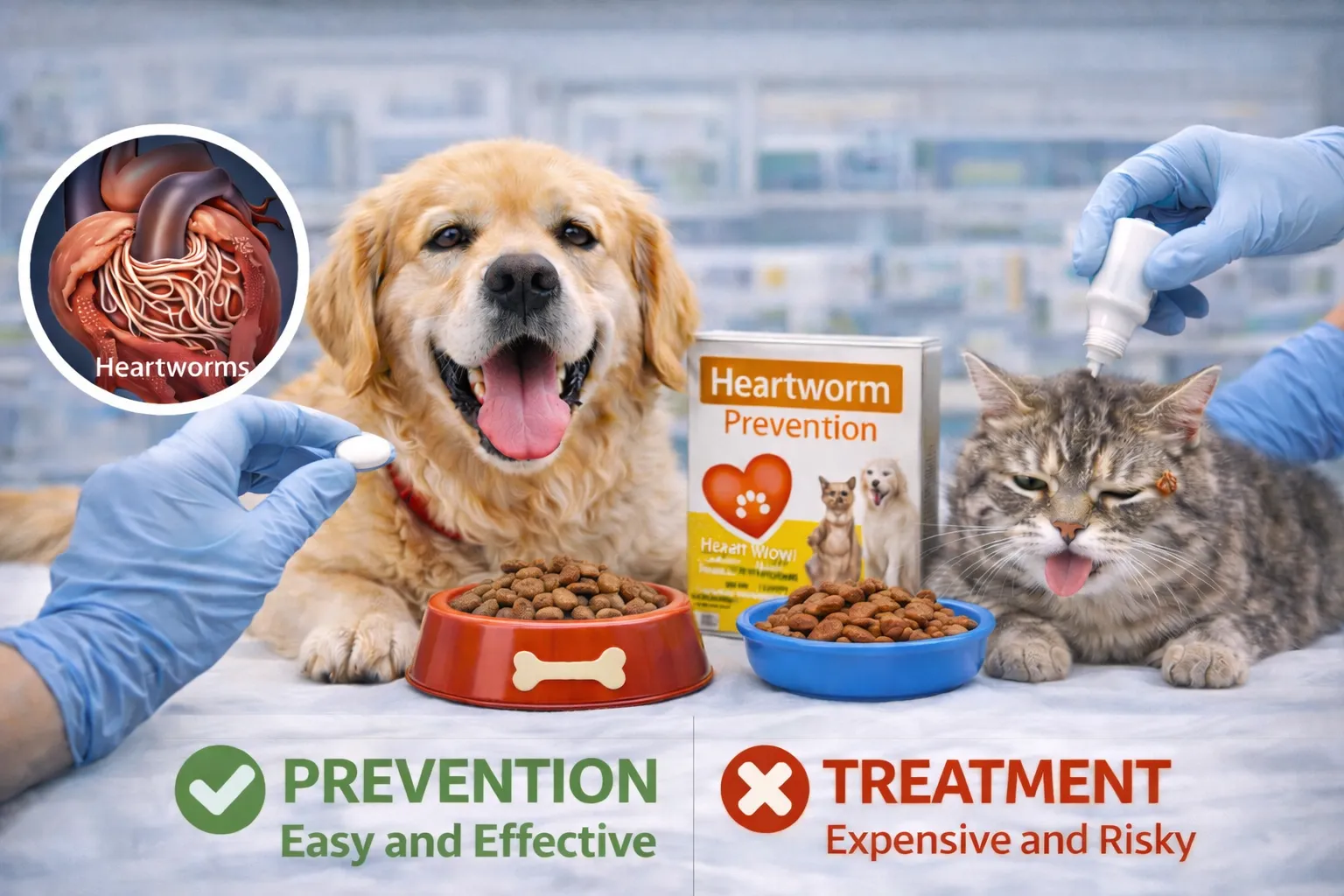
Allergy season doesn’t just affect humans—pets can suffer from seasonal allergies too. Pollen, dust, mold, and even certain foods can trigger allergic reactions in dogs and cats, leading to discomfort and health issues. If left untreated, allergies can escalate into infections or more severe conditions. Knowing the symptoms, causes, and available treatments can help keep your pet comfortable and healthy. If your pet is experiencing severe allergic reactions, searching for emergency vet closest to me can help you find immediate veterinary assistance. For pet owners in Vancouver, British Columbia, the Intercity Animal Emergency Clinic offers expert care for allergy-related emergencies and other urgent conditions.
Understanding Allergies in Pets
Pets can develop allergies at any stage of life, and different factors can trigger reactions. Unlike humans, who often experience sneezing and congestion, pets typically show allergy symptoms through skin irritation, digestive distress, and respiratory issues. Allergies can significantly impact your pet’s quality of life, making it essential to recognize the signs early.Symptoms of Allergies in Pets
The symptoms of allergies vary depending on the type of allergen and how your pet’s body reacts to it. Some common signs include:- Skin irritation and itching (excessive scratching, redness, rashes)
- Ear infections (head shaking, ear discharge, foul odor)
- Watery eyes and sneezing (similar to human hay fever)
- Frequent licking or chewing paws (a sign of environmental allergies)
- Digestive issues (vomiting, diarrhea, or bloating from food allergies)
- Environmental allergens – Pollen, dust mites, mold, and grass can cause seasonal allergies.
- Food allergens – Ingredients like chicken, beef, dairy, soy, and wheat may trigger allergic reactions.
- Flea bites – Some pets have flea allergy dermatitis, where even a single flea bite causes severe itching.
- Household products – Shampoos, detergents, and air fresheners may contain chemicals that irritate your pet’s skin or respiratory system.
- Skin tests – A vet applies allergens to small areas of your pet’s skin to see if a reaction occurs.
- Blood tests – These detect antibodies to specific allergens in your pet’s blood.
- Elimination diet – A trial diet helps identify food allergies by removing potential allergens from your pet’s meals.
- Antihistamines or allergy medications – Prescribed by your vet to manage symptoms.
- Regular baths with hypoallergenic shampoos – Helps remove allergens from your pet’s skin and fur.
- Air purifiers – Reduce airborne allergens like pollen and dust mites.
- A vet-approved diet – If food allergies are suspected, a special diet can prevent reactions.
- Keep your pet’s living space clean – Regularly vacuum and wash their bedding to reduce allergens.
- Wipe your pet’s paws after walks – Removes pollen and irritants from their feet.
- Use flea prevention – Avoids flea allergy dermatitis, a common skin reaction in pets.
Share this article:
View All Blogs