

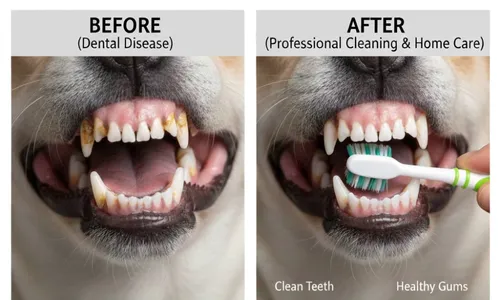
When most pet parents think of "health," they typically consider vaccines, diet, exercise, and annual checkups. What many don't realize is that dental care plays an equally powerful role in a pet's overall well-being. Dental disease is one of the most common medical conditions affecting both dogs and cats, yet it remains one of the most overlooked. By age three, an estimated 70–80% of pets already show signs of periodontal disease, often without their owners even noticing.
Dental care is far more than managing bad breath — it is about protecting major organs, preventing chronic pain, and ensuring your pet maintains a good quality of life for years to come.
Why Dental Health Matters More Than We Think
Dental disease begins with something simple: plaque. This sticky film builds on teeth after eating. If not removed, plaque hardens into tartar, which pushes under the gum line and triggers inflammation. Over time, gum inflammation becomes periodontal disease, causing tissue damage, bone loss, and chronic infection.
What makes this especially concerning is that bacteria from infected gums can enter the bloodstream and travel to vital organs. This increases the risk of:
- Heart disease
- Liver strain
- Kidney damage
- Systemic infection
- Chronic inflammation
In short, untreated dental disease isn't confined to the mouth — it affects the entire body.
Early Signs of Dental Problems in Pets
Pets rarely show obvious discomfort, even when in significant pain. Often, pet parents only notice symptoms once disease is advanced. Early warning signs include:
- Persistent bad breath
- Yellow or brown buildup on teeth
- Red or bleeding gums
- Dropping food while chewing
- Facial swelling
- Reduced appetite
- Pawing at the mouth
- Irritability or withdrawal
Even mild symptoms deserve attention — dental disease doesn't improve on its own.
Dental Health for Dogs: Preventive Care at Home
Dogs often develop tartar and gum disease due to diet and chewing habits. You can significantly reduce risk by incorporating daily or weekly home care:
1. Brushing
Use a soft toothbrush and pet-friendly toothpaste. Even brushing three times per week dramatically lowers plaque buildup.
2. Dental Chews & Toys
Chews with grooves or enzymatic ingredients help reduce tartar. Avoid extremely hard chew items that may fracture teeth.
3. Diet Designed for Dental Support
Some veterinary diets are formulated with a kibble texture that scrapes away plaque while chewing.
Dental Health for Cats: Why They Need Special Attention
Cats frequently suffer from conditions like tooth resorption, where the tooth structure breaks down. This is extremely painful yet often invisible without X-rays.
Cats may show subtle signs:
- Decreased grooming
- Dropping kibble
- Hiding more than usual
- Weight loss
Gentle brushing, dental treats, and regular veterinary checkups are essential for early detection.
The Importance of Professional Dental Exams and Cleanings
Even with excellent home care, a veterinary dental cleaning is the only way to remove tartar below the gum line — where most disease hides. Professional cleanings include:
- Full oral examination
- Digital dental X-rays
- Ultrasonic scaling
- Under-gum cleaning
- Tooth polishing
- Pain assessment
- Removal of diseased teeth, if necessary
Anesthesia-free "cleanings" cannot access below the gum line and may even create a false sense of security.
What Happens if Dental Disease Goes Untreated?
Chronic dental disease can lead to:
- Tooth loss
- Bone infection
- Severe pain
- Nasal drainage
- Difficulty eating
- Organ damage
- Behavioral changes
Pets often become more playful, energetic, and affectionate after dental treatment because pain they've silently endured is finally gone.
Simple Steps to Protect Your Pet's Smile
- Start brushing early — make it routine.
- Schedule annual wellness exams.
- Use veterinarian-approved dental products.
- Don't wait for signs of pain — early treatment prevents complications.
Conclusion: Healthy Mouth, Healthy Life
Dental care is one of the most impactful ways to support your pet's long-term health. A clean, pain-free mouth reduces inflammation, protects internal organs, and greatly improves quality of life. By investing in preventive care now, you are giving your pet the gift of long-lasting wellness and comfort.
If your pet has signs of dental disease, schedule a veterinary dental exam — early intervention makes all the difference.