

Emergencies happen fast — and when they involve your pet, every second matters. While professional veterinary care is always the ultimate solution, knowing basic pet first aid can stabilize a situation, reduce injury severity, and potentially save your pet's life.
This guide helps pet parents understand essential first aid skills, what belongs in a pet emergency kit, and how to respond to common urgent situations until veterinary help is available.
Why First Aid Knowledge Is Essential
Pets are naturally curious, energetic, and sometimes anxious. This combination means they may:
- Eat things they shouldn't
- Injure themselves during play
- Experience allergic reactions
- Suffer burns or cuts
- Encounter household toxins
Preparedness allows you to step in quickly and calmly while seeking professional care.
Building a Pet Emergency First Aid Kit
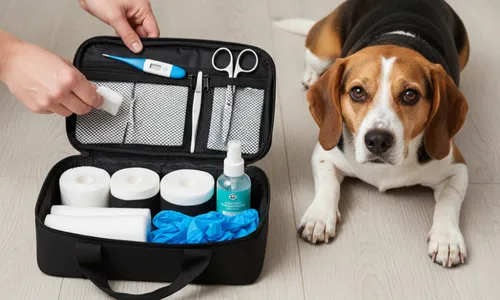
A well-stocked kit ensures you're ready for unexpected situations. Items to include:
- Sterile gauze pads
- Non-stick bandages
- Adhesive tape
- Digital thermometer
- Saline solution
- Tweezers & blunt scissors
- Hydrogen peroxide (for vet-directed use only)
- Disposable gloves
- Emergency blanket
- Antihistamine tablets (vet approved)
- Activated charcoal (vet directed)
- A list of emergency vet numbers
Store it somewhere accessible so every family member knows where it is.
Handling Wounds & Bleeding
If your pet is bleeding:
- Apply firm, gentle pressure with gauze.
- Replace gauze as needed, keeping consistent pressure.
- Elevate the injured area if possible.
- Apply a temporary bandage to protect the wound.
Never use a tourniquet unless advised by a veterinarian, as improper use may cause more harm.
Responding to Choking
Signs of choking include:
- Pawing at the mouth
- Gagging or retching
- Difficulty breathing
- Collapse
If safe, open the mouth and look for visible objects — remove only if easily grasped. Avoid pushing the item deeper.
Small pets may benefit from back blows; larger dogs may require abdominal thrusts. However, improper technique can cause injury, so immediate veterinary care is always necessary.
Burns: How to Provide Initial Care
Burns can occur from hot surfaces, chemicals, or electrical sources.
For heat burns:
- Cool the area with lukewarm water for several minutes.
- Do not apply ice, butter, or ointments.
- Cover lightly with clean gauze and seek veterinary care.
For chemical burns:
- Flush with plenty of water immediately.
- Remove collars or harnesses if contaminated.
Poisoning: Time Is Critical
Common household toxins include:
- Chocolate
- Grapes and raisins
- Xylitol (sugar-free sweetener)
- Certain plants (like lilies for cats)
- Cleaning chemicals
- Human medications
Do not induce vomiting unless instructed by a veterinarian — sometimes vomiting can worsen the damage (e.g., with corrosive substances).
Call your veterinarian or pet poison hotline immediately.
Seizures: What to Do
During a seizure:
- Stay calm.
- Move furniture or objects away.
- Do not place fingers in the pet's mouth.
- Time the seizure.
- Keep the room dim and quiet afterwards.
Pets may be disoriented for hours — monitor closely and seek veterinary care.
Heatstroke: A True Emergency
Signs include:
- Excessive panting
- Weakness or collapse
- Vomiting
- Bright red gums
Move your pet into a cool space, offer small sips of water, and place cool (not cold) damp cloths on the belly and paws. Veterinary care is required immediately.
Conclusion: Being Prepared Makes All the Difference
First aid is not a replacement for emergency veterinary care — it is a bridge that protects your pet until they reach professional help. The more educated you are, the more confidently and quickly you can act in a crisis.
Create your pet's first aid kit today, learn emergency basics, and stay prepared — your pet's safety depends on it.